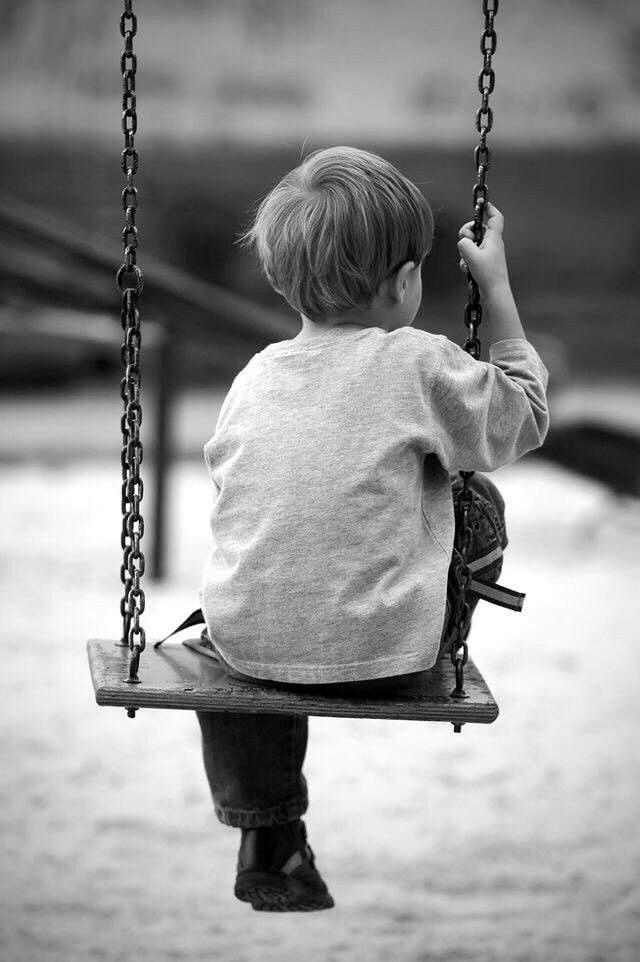
When a child asks why their mom, dad, or sibling is not coming back, it is often one of the most heartbreaking moments for the adults who care for them. The question usually comes from confusion, fear, and a deep need to understand what has changed in their world.
Children experience loss differently than adults because their understanding of death develops over time. They may not fully grasp that death is permanent, which can lead them to believe the person who died might return someday. This is why their questions may sound simple, but they carry very big emotions behind them.
When responding to a child, honesty and simplicity are important. Experts often recommend using clear language rather than phrases that might confuse a child. For example, saying someone “went to sleep” or “went away” can make a child fearful of sleep or worried that other loved ones might suddenly disappear.
Instead, it can help to explain gently that death means the person’s body has stopped working and they cannot come back. You might say something like, “Their body stopped working, so they can’t come back to us, but the love they gave us will always stay with us.” This kind of explanation helps children begin to understand the reality of the loss while still feeling emotionally supported.
Children also need reassurance during these conversations. The death of a loved one can make them worry about their own safety or the safety of the people around them. After explaining what happened, it can be helpful to remind them that there are still adults who care for them and will continue to keep them safe.
Simple reassurances such as “I’m here for you” or “You are safe and loved” can bring comfort in a time that feels uncertain.
It is also important to understand that children may ask the same question many times. This repetition is a normal part of how children process grief. Each time they ask, they may be trying to understand the situation a little more clearly or cope with their emotions.
Responding with patience and consistency helps them feel secure. Even if the question feels painful to hear repeatedly, it shows the child trusts the adult enough to keep seeking answers.
Grief in children often appears in ways that adults might not expect. Some children cry openly, while others may seem unaffected for periods of time. They may return to playing soon after asking difficult questions, which can sometimes surprise adults. This does not mean they are not grieving.
Children often move in and out of grief, processing it in smaller pieces rather than all at once. Play, drawing, storytelling, and other activities can be ways for them to express emotions they may not yet have the words to describe.
Adults can help children cope by creating a safe space where emotions are allowed. Let the child know it is okay to feel sad, angry, confused, or even scared. Encouraging them to talk about their feelings or ask questions can help them feel less alone.
Sometimes children may express their grief through behavior changes such as difficulty sleeping, becoming more clingy, or having trouble concentrating at school. These reactions are often a normal response to loss.
Maintaining routines can also help children feel more secure during a time of change. Simple daily structures, such as regular meal times, bedtime routines, and school schedules, can provide stability when their emotional world feels uncertain. At the same time, flexibility and understanding are important because grief can affect a child’s energy and emotional state.
Another helpful step is remembering and honoring the person who died. Children may benefit from sharing memories, looking at photos, or talking about things they loved about that person.
Some families create memory boxes, plant trees, or write letters to their loved one. These small acts can help children understand that although the person is gone, their place in the family’s story remains.
If a child seems overwhelmed by grief or their behavior changes significantly for a long period of time, professional support can be helpful. Child psychologists, grief counselors, and school counselors are trained to support children through loss.
Therapy can provide children with tools to express their feelings, understand their grief, and build coping strategies in a supportive environment.
There are also several helpful resources for families supporting grieving children. One well-known organization is The Dougy Center, which provides resources and guidance specifically for children and families experiencing loss. Their website offers articles, activities, and tips for talking to children about death.
Another valuable resource is National Alliance for Children’s Grief, which provides educational materials and connects families with grief support programs designed for young people. Their resources help caregivers understand how grief can look different at different ages.
Families may also find helpful information from Child Bereavement UK, an organization that offers guidance, counseling services, and practical advice for supporting children after the death of a loved one.
Books can also be powerful tools when talking to children about death. One helpful book is The Invisible String by Patrice Karst, which helps children understand that love continues to connect people even when they are separated.
Another helpful resource is When Dinosaurs Die: A Guide to Understanding Death by Laurie Krasny Brown and Marc Brown, which explains death in a child-friendly and honest way.
Supporting a grieving child is not about having all the perfect answers. What children need most is presence, patience, and reassurance.
They need to know that the adults around them are willing to listen, willing to talk about the person who died, and willing to walk beside them as they slowly learn to live with the loss.
Over time, children can learn that although someone they love is no longer physically present, the memories, love, and connection they shared do not disappear.
Those bonds can continue to provide comfort as they grow and find their own ways to remember and honor the people who will always remain part of their lives.
 Grief Poetry