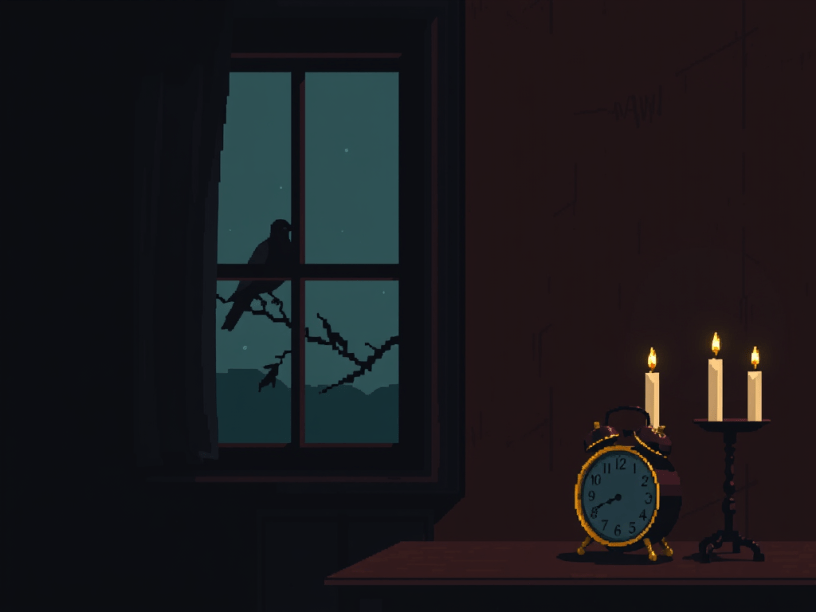
Throughout history, many cultures have developed superstitions about death. These beliefs often arise from attempts to explain loss, protect the living, or honor those who have passed away. While they vary across cultures, many share common themes about signs, warnings, and ways to respect the dead.
One common superstition is that a bird flying into a house or repeatedly tapping on a window is a sign that someone may soon die. In some cultures, birds, especially black birds, are believed to carry messages from the spiritual world. Similarly, hearing an owl hooting near the home at night has sometimes been interpreted as a warning of death in certain traditions.
Another widely known belief is that mirrors should be covered in a house after someone dies. This superstition exists in several cultures and is tied to the idea that mirrors could trap the spirit of the deceased or allow spirits to linger. Covering them was believed to help the soul move peacefully into the afterlife.
Many people also believe that dreaming about someone who has died carries a special meaning. Some see these dreams as visits from loved ones, while others interpret them as the mind processing grief and memories. Whether symbolic or emotional, such dreams often feel powerful to those experiencing them.
There are also superstitions related to objects or timing. For example, some traditions say stopping a clock at the moment someone dies honors the moment of passing. Others believe that leaving a window open after death allows the spirit to leave the home freely.
In some cultures, people avoid wearing bright colors at funerals, believing that dark clothing shows respect and helps maintain solemnity for the grieving family. Other traditions involve lighting candles, saying prayers, or performing rituals meant to guide the soul and protect the living.
While these superstitions differ from place to place, they often serve a similar purpose: helping people cope with the mystery and emotional weight of death. Even when people do not fully believe in them, these traditions can provide comfort, connection to cultural heritage, and a sense of honoring those who have passed.
 Grief Poetry