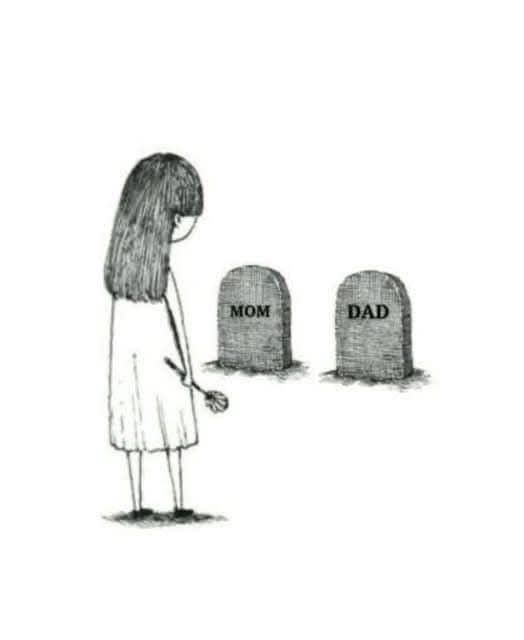
There is a certain kind of comfort that only a parent’s hug can give. It is a feeling many people don’t fully notice while they still have it. A parent’s hug has a way of making the world feel safer, even for grown adults. It carries reassurance, love, and a sense that someone is always in your corner.
When a parent dies, people often speak about missing their voice, their advice, or the way they made family gatherings feel complete. But for many grieving children, whether they are young or fully grown, one of the most painful things to lose is something simple and deeply human: their parent’s hugs.
A hug from a parent holds a lifetime of meaning. It is often the first place a child learns what safety feels like. As children grow older, those hugs evolve, but their comfort never truly fades. Whether celebrating a success, facing disappointment, or simply needing reassurance, many people instinctively turn to their parents for that familiar embrace.
When a parent is gone, that physical comfort disappears. The absence can feel surprisingly sharp, especially in moments when life becomes overwhelming. On difficult days, many grieving people find themselves wishing they could step into their parent’s arms one more time.
Grief after losing a parent can feel complicated because the relationship is so deeply rooted in life’s foundation. Parents are often the ones who witness the earliest stages of our lives. They watch us grow, make mistakes, and learn who we are. Their presence becomes part of the emotional structure that supports us.
When that structure changes, the loss can feel both emotional and physical. The body remembers the feeling of being held, comforted, and protected. Without those familiar gestures, people may feel an unexpected sense of emptiness.
Hugs from parents are not only comforting because of the physical contact. They also communicate love without words. A parent’s embrace can say things that are difficult to express out loud, I’m proud of you. I’m here for you. Everything will be okay.
After a parent’s death, many people realize how powerful those silent messages were. Life continues to move forward, but the instinct to reach for that comfort remains. There may be moments when grief appears suddenly, during holidays, family celebrations, or times of stress, when the desire for that familiar hug returns strongly.
The loss of a parent often brings memories of the small moments that once felt ordinary. People remember the way their parent greeted them, the warmth of an embrace after a long day, or the quiet reassurance that came with being held.
These memories can be painful, but they are also reminders of the deep bond that existed. The hugs may no longer happen physically, but the love behind them does not disappear.
For many people, grief slowly transforms the way they experience these memories. What begins as a painful absence can gradually become a source of warmth and reflection. Remembering a parent’s hugs may eventually bring a small sense of comfort instead of only sadness.
Some people find ways to keep that connection alive through personal rituals. They may hold onto a favorite sweater that still carries their parent’s scent, wrap themselves in a blanket their parent once used, or revisit places where they shared meaningful moments together. These small acts can create a sense of closeness even after loss.
Grief also has a way of revealing how deeply love shapes us. Many people discover that the comfort they once received from their parent’s hugs has influenced the way they care for others. They become the ones offering reassurance to their children, friends, or family members.
In this way, the love once expressed through a parent’s embrace continues to move forward through generations. The pain of missing a parent’s hugs is a reflection of the bond that existed. It shows how powerful those moments of connection were and how deeply they mattered.
Although grief never fully erases the longing for one more hug, many people eventually find that their parent’s love still lives within them. The lessons, memories, and care they received continue to shape their lives long after the physical presence is gone. And sometimes, in quiet moments, people close their eyes and remember what those hugs felt like, the warmth, the safety, the feeling of being completely loved. Even in absence, that love remains.
 Grief Poetry