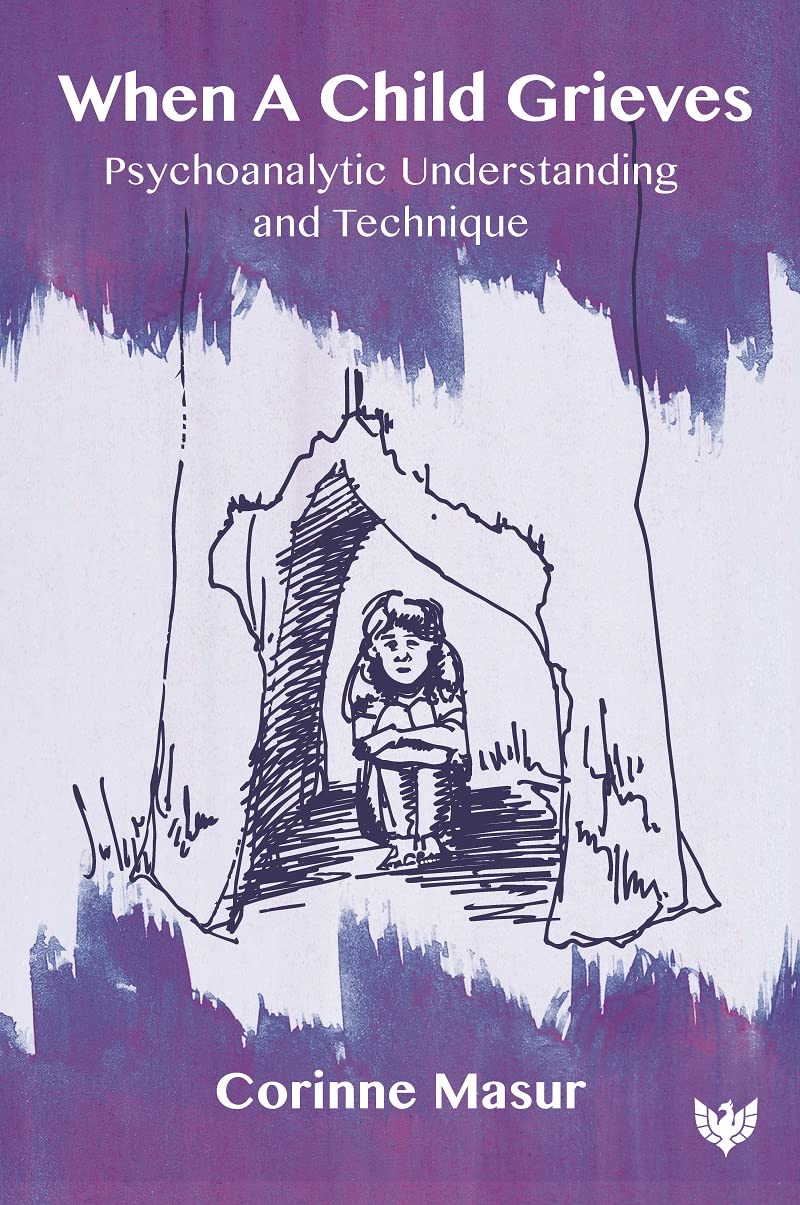
For many years, psychologists, educators, and parents have debated an important question: can children truly grieve in the same meaningful way adults do? Because children often express their emotions differently and may appear to move quickly between sadness and play, some early theories suggested that children might not fully experience a true mourning process. However, deeper research into childhood emotional development has shown that children are indeed capable of grieving, even if their expressions of loss look different from those of adults.
Understanding how children experience grief is essential for parents, caregivers, teachers, and mental health professionals who support young people through difficult times. When a child loses someone close to them, a parent, sibling, grandparent, or other loved one, the emotional impact can shape their development and worldview in profound ways.
Psychological research has gradually shifted the way experts understand child grief. Earlier ideas sometimes assumed that children lacked the emotional maturity to process the finality of death. Because young children might ask repeated questions or seem to forget about the loss temporarily, some adults believed that they were not truly mourning.
Modern psychoanalytic and developmental theories have challenged this assumption. Studies of children’s emotional responses have revealed that grief in childhood is real and complex. Children may not always express their sorrow through long conversations or visible sadness, but their internal emotional world can be deeply affected by loss.
Children often experience grief in cycles. They may move in and out of sadness as they attempt to understand what has happened. A child might cry intensely one moment and return to playing shortly afterward. This pattern does not mean the loss is forgotten. Instead, it reflects the child’s natural way of managing overwhelming emotions in small, manageable pieces.
Another important factor in child grief is developmental understanding. A child’s age and cognitive abilities influence how they interpret death. Very young children may not fully understand that death is permanent. They might believe the person who died will return or simply cannot grasp the concept of finality.
As children grow older, their understanding evolves. School-age children begin to recognize that death is irreversible and universal. Adolescents, with their more advanced reasoning skills, often grapple with deeper questions about meaning, fairness, and the fragility of life.
Because of these developmental differences, the mourning process in children and adolescents can vary widely. Some children express sadness openly, while others display grief through behavioral changes such as irritability, withdrawal, or difficulty concentrating. Physical symptoms like headaches, stomachaches, or sleep disturbances can also appear.
The way grief is handled by the surrounding environment can significantly influence whether the mourning process unfolds in a healthy way or becomes complicated. Children rely heavily on the emotional cues of adults around them. If grief is ignored or dismissed, children may learn to hide their feelings or believe their emotions are inappropriate.
When adults provide honest explanations, emotional reassurance, and a safe space for expression, children are more likely to process their grief in a healthier way. Open communication helps them understand that sadness, confusion, and even anger are normal responses to loss.
However, grief in children can sometimes take unexpected turns. The mourning process may become disrupted when children feel unable to express their emotions or when they struggle to make sense of what has happened. In these cases, unresolved grief can affect behavior, relationships, and emotional development.
Mental health professionals often play an important role in supporting children who are struggling with loss. Careful evaluation helps determine how the child is processing grief and whether additional support is needed. Therapy for grieving children often includes play, drawing, storytelling, and other creative methods that allow them to express feelings that may be difficult to articulate verbally.
Clinical observations and case studies have helped psychologists better understand how young children experience loss. One particularly powerful example involves a very young child who lost his father at the age of three. At that stage of development, the child had only a limited understanding of death. Yet the emotional absence of his father created confusion, sadness, and behavioral changes that revealed the depth of his loss.
Over time, the child’s reactions reflected an ongoing attempt to understand what had happened. As he grew older, his questions and emotions evolved along with his cognitive development. What he initially experienced as confusion later became deeper sadness and curiosity about his father’s life and death.
Cases like this demonstrate that grief does not disappear simply because a child is young. Instead, the mourning process unfolds gradually as children grow and gain new levels of understanding. A loss experienced early in life may continue to influence a child’s emotional world for years, resurfacing at different developmental stages.
This evolving nature of grief highlights the importance of long-term support and sensitivity. Children may revisit their loss at different points in life, particularly during important milestones such as starting school, entering adolescence, or experiencing major life transitions.
Recognizing that children can and do mourn allows caregivers and professionals to respond with greater empathy and awareness. Rather than assuming children are unaffected, adults can acknowledge their feelings and provide guidance through the complex emotions that accompany loss.
Helping children navigate grief requires patience, honesty, and compassion. It involves listening carefully to their questions, validating their feelings, and allowing them to remember the person they lost in ways that feel meaningful.
Ultimately, understanding child grief helps create a supportive environment where young people can process loss without fear or confusion. When children are given the opportunity to express their emotions and receive thoughtful guidance, they are better equipped to integrate their grief into their lives in a healthy and meaningful way.
While loss may always remain part of their story, children who receive compassionate support can grow through their grief with resilience, understanding, and emotional strength.
 Grief Poetry