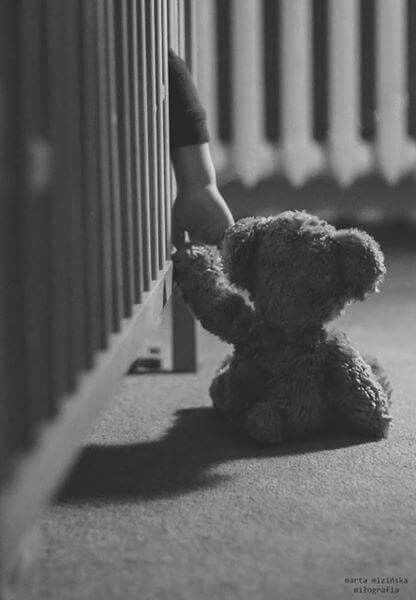
Grief is often spoken about in the context of adults, but children experience grief too. When a child loses someone they love, whether it is a parent, sibling, grandparent, friend, or even a beloved pet, their world can change in ways they may not fully understand. Because children process emotions differently from adults, their grief may look unfamiliar or confusing. Yet their feelings are real, deep, and deserving of patience and support.
Understanding child grief is important because the way adults respond can greatly influence how a child learns to cope with loss.
Children Grieve Differently
Adults often expect grief to appear as sadness, tears, and quiet reflection. Children, however, may express grief in very different ways. A child might cry one moment and then return to playing as if nothing happened the next. This sudden shift can surprise adults, but it is a natural part of how children process overwhelming emotions.
Children often move in and out of grief rather than staying in it continuously. Play becomes a way for them to release tension and give their minds a break from painful feelings.
Some children may show grief through behavior changes instead of words. They might become more withdrawn, anxious, or clingy. Others may show frustration or anger because they do not yet have the emotional vocabulary to explain what they are feeling.
Understanding Loss at Different Ages
A child’s understanding of death changes as they grow.
Young children may not fully understand that death is permanent. They might ask questions such as when the person is coming back or assume the loss is temporary. Their questions can repeat many times because they are slowly trying to make sense of something very unfamiliar.
School-age children begin to understand that death is permanent but may still struggle with the emotional weight of that realization. They might worry about their own safety or fear losing other loved ones.
Teenagers often understand death in a similar way to adults, but their emotions can be intense and complicated. Some teens withdraw from family while others may express their grief through creativity, music, writing, or talking with friends. Each stage of development influences how a child processes loss.
The Importance of Honest Conversations
When children experience loss, adults sometimes feel the urge to protect them by avoiding difficult conversations. While the intention is loving, children benefit from honest, age-appropriate explanations. Simple and clear language can help them understand what has happened. Avoiding confusing phrases can prevent misunderstandings that might create unnecessary fear or confusion.
Encouraging children to ask questions is also important. They may ask the same questions repeatedly as they try to process the information. Answering patiently each time reassures them that their feelings and curiosity are safe to express.
Emotional Safety Matters
Children need to feel safe expressing their emotions. Some may cry openly, while others may struggle to show their feelings at all. There is no single correct way for a child to grieve.
Adults can help by creating an environment where emotions are welcomed rather than dismissed. Saying things like “It’s okay to feel sad,” or “I miss them too,” helps children understand that their feelings are normal. When children see adults expressing grief in healthy ways, they learn that sadness and love can exist together.
Grief Appears in Unexpected Ways
Sometimes grief appears long after the loss has occurred. A child may seem to cope well initially but begin asking questions or showing sadness months or even years later. This delayed reaction is common. As children grow and their understanding deepens, they may revisit the loss with new questions and emotions.
Important life milestones can also trigger renewed grief. Birthdays, holidays, school events, or family celebrations may remind children of the person who is missing. Supporting children through these moments helps them feel less alone.
Healthy Ways Children Process Grief
Children often express their grief through creative and physical activities. Drawing, storytelling, music, or play can become outlets for emotions that are difficult to put into words. Some children find comfort in remembering the person they lost. Looking at photographs, sharing stories, or creating memory boxes can help keep the connection alive in a healthy way.
Maintaining routines also provides stability. Familiar daily activities such as school, meals, and bedtime routines help children feel secure when life feels uncertain.
The Role of Supportive Adults
Parents, caregivers, teachers, and other trusted adults play a crucial role in helping children navigate grief. Listening carefully, answering questions honestly, and offering reassurance can make a significant difference.
Sometimes children may also benefit from additional support such as grief counseling or support groups designed specifically for young people. Talking with others who have experienced loss can help children feel understood and less isolated.
Grief Is Part of Love
One of the most important messages children can learn is that grief is a natural response to love. When someone important is gone, feeling sadness means that the relationship mattered. Helping children understand that their memories, feelings, and love will always remain can bring comfort during difficult times.
Over time, children learn how to carry both the love they shared and the memories they treasure while continuing to grow and experience life.
Moving Forward With Compassion
Child grief does not follow a strict timeline. Each child processes loss in their own way and at their own pace. What matters most is providing patience, understanding, and reassurance throughout the journey. By supporting grieving children with compassion and honesty, adults can help them develop healthy emotional resilience.
While loss may always remain a part of their story, children can learn that love, memories, and connection continue to exist long after someone is gone. And with the support of caring adults, they can grow through their grief with strength, understanding, and hope.
 Grief Poetry