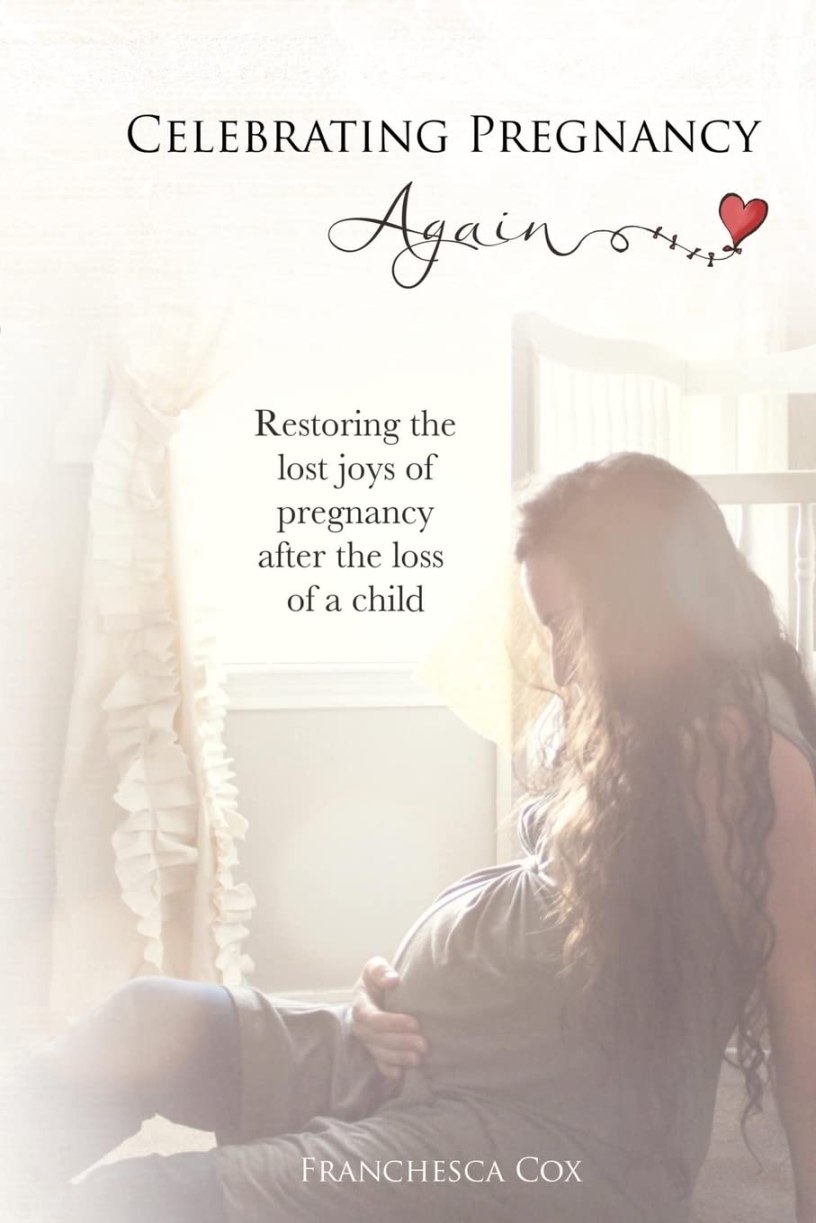
Pregnancy is often imagined as a time filled with excitement, celebration, and hopeful anticipation. Families prepare nurseries, share joyful news, and dream about the future. Yet for parents who have lost a child, pregnancy does not always feel simple or carefree. Instead, it can become a complicated emotional journey where grief and joy exist side by side. The very experience that once felt full of promise may now be shadowed by memories of loss, fear, and uncertainty.
For many mothers and fathers, becoming pregnant again after losing a child can feel like stepping into unknown territory. The happiness of expecting another baby is real, but so is the deep sorrow that never truly disappears. Every milestone in the new pregnancy, hearing the heartbeat, attending doctor appointments, feeling the baby move, can bring both excitement and anxiety. While the heart longs to celebrate, it may also hesitate, remembering how fragile life can be.
This journey is often described as living in two emotional worlds at once. On one side is grief for the child who is no longer here, a grief that can resurface unexpectedly and with great intensity. On the other side is the growing hope for the baby who is on the way. Rather than replacing one emotion with the other, parents often find themselves carrying both simultaneously. Learning how to navigate these mixed emotions becomes part of adjusting to what many describe as a “new normal.”
Pregnancy after loss changes how parents experience nearly every aspect of the journey. What once felt exciting may now feel uncertain. A routine ultrasound might bring comfort but also intense nervousness. Waiting for test results can feel overwhelming. Some parents find themselves constantly preparing for the worst, even while desperately hoping for the best. This heightened awareness of risk is not a sign of negativity or lack of faith, it is simply the heart protecting itself after experiencing profound loss.
Another challenge many parents face during a subsequent pregnancy is interacting with others. Well-meaning friends and family may not fully understand the complicated emotions involved. Some people may expect the new pregnancy to “heal” the grief of losing a child, while others might avoid talking about the loss entirely. Comments such as “This baby will make everything better” can unintentionally minimize the depth of the grief parents still carry.
In reality, a new baby does not replace the child who was lost. Each child is unique and deeply loved in their own way. Many parents continue to honor and remember the child they lost while preparing their hearts for the baby who is coming. Learning how to respond to insensitive or uncomfortable comments can become part of the emotional work during pregnancy after loss. Some parents choose to gently educate others about their feelings, while others simply set boundaries and focus on protecting their emotional wellbeing.
Balancing grief while moving forward with a new pregnancy requires patience and self-compassion. There may be days when joy feels possible and moments when grief feels overwhelming again. Both experiences are valid. Allowing space for these emotions rather than trying to force constant happiness can help parents process the journey more honestly.
Many parents also find comfort in discovering meaningful ways to celebrate their pregnancy, even while acknowledging their loss. Celebrations after loss often look different from traditional pregnancy milestones. Instead of large announcements or elaborate celebrations, some families choose quieter, more personal ways to mark the journey.
For example, some parents create memory rituals that honor both children, the one they lost and the one they are expecting. Lighting a candle, writing letters, planting a tree, or keeping a journal can provide a way to express love and remembrance. Others may choose to take photos throughout the pregnancy as a way of documenting hope and resilience. These small acts can help parents feel connected to their story while embracing the life growing within them.
Support from others who understand pregnancy after loss can also make a significant difference. Many parents find comfort in connecting with support groups, counselors, or online communities where others share similar experiences. Hearing from people who have walked the same path can reduce feelings of isolation and provide reassurance that their emotions are normal.
Professional support can also help parents cope with the stress and anxiety that sometimes accompany pregnancy after loss. Grief counselors, therapists, or compassionate healthcare providers can offer guidance, coping strategies, and emotional validation throughout the pregnancy journey.
Perhaps one of the most important lessons parents learn during pregnancy after loss is that there is no single “right” way to experience it. Some parents may feel hopeful early on, while others may struggle with fear until the baby is safely in their arms. Some may want to talk openly about their loss, while others may prefer to keep those memories private. Each journey is deeply personal, shaped by individual experiences and emotions.
What matters most is allowing space for both grief and hope to exist together. Grief does not mean a parent is ungrateful for a new pregnancy, and hope does not mean they have forgotten the child they lost. Love expands to hold both realities.
Pregnancy after loss is not simply a continuation of the past or a replacement for what was lost. It is a new chapter—one that carries both the weight of sorrow and the possibility of healing. It requires courage to open the heart again after experiencing such profound pain.
For many parents, the journey eventually reveals a quiet strength they did not know they possessed. They learn that love can grow even in the presence of grief, and that hope can slowly return, one day at a time.
While the path may feel uncertain, parents walking through pregnancy after loss are not alone. Their story is one of resilience, remembrance, and the powerful ability of the human heart to hold both sorrow and joy at the same time.
Discover more from Grief Poetry
Subscribe to get the latest posts sent to your email.
 Grief Poetry