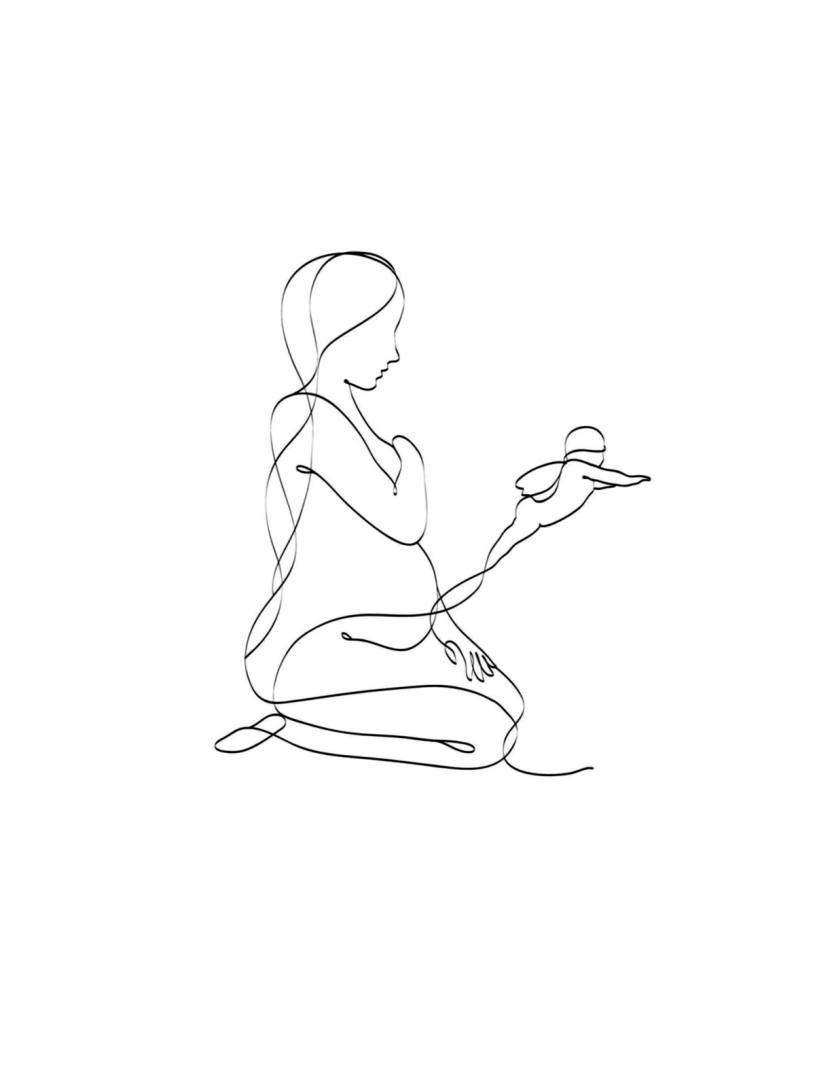
I did not know that the longest walk of my life would be from a hospital room to a parking lot.
People call it “discharge.” Such a clean, simple word. It sounds clinical, organized, complete. But there is nothing complete about leaving a hospital without your baby in your arms. There is no instruction manual for how to stand up, gather your things, and walk out with empty hands when you arrived full of hope.
The hallway felt longer that day. Every step echoed. I remember noticing things I hadn’t noticed before , the cheerful posters about newborn care, the pastel-colored walls, the distant sound of a baby crying somewhere down the corridor. That sound pierced through me. I wondered if the nurses could see it on my face, the split between what the world expected and what I was carrying inside.
I had imagined this walk differently. In my mind, I would be holding a tiny bundle wrapped in a hospital blanket. My partner would carry the car seat. We would move slowly, carefully, like people protecting something fragile and precious. Nurses might smile and say congratulations. We would feel tired but triumphant.
Instead, I carried a small bag of my own clothes and a folder of papers I did not want.
When you experience a stillbirth, the world does not pause to match your grief. Elevators still ding. Phones still ring. Other families still celebrate. And you, somehow, are expected to step back into ordinary life as if something ordinary has happened.
I remember feeling exposed. Not because anyone was staring, but because I felt like my body had failed at something it was meant to do. My stomach was no longer full, but it was not empty either, it held the quiet evidence of what had been. I looked like someone who had just given birth. But there was no baby. That contrast felt cruel.
As I walked through the lobby, I kept my eyes down. Part of me felt ashamed, even though I knew logically that I had done nothing wrong. Grief has a way of twisting thoughts. It whispers questions you don’t want to hear: What if I had noticed sooner? What if I had done something differently? Even when doctors reassure you, those questions linger.
But what I felt most was pain. A deep, physical ache that went beyond my body. It felt like carrying something invisible and unbearably heavy. Every automatic door that opened felt like a reminder that the world was moving forward without acknowledging what had just ended. The parking lot was bright that day. Too bright. The sun seemed inappropriate. I remember thinking, How can it be sunny? It felt like the sky should be darker, quieter, more respectful.
Getting into the car was another moment I hadn’t prepared for. The back seat was empty. No car seat. No soft blanket. Just space. I stared at it longer than I meant to. That empty space said more than any words could. The drive home was silent. Not the comfortable kind of silence. The kind filled with everything unsaid. We both knew that when we walked through our front door, we would face a nursery that had been carefully prepared. Tiny clothes folded neatly. A crib waiting. A future imagined in detail.
Grief after a stillbirth is complicated because it is layered. You are grieving a baby, yes. But you are also grieving the version of yourself who believed everything would be okay. You are grieving the plans, the milestones, the firsts that will never come. You are grieving the conversations that will not happen.
And yet, in the days that followed, I learned something important about that walk. It was not a walk of shame. Shame implies wrongdoing. It suggests failure or guilt that belongs to you. But what happened was not something I caused. It was not a punishment. It was not a moral judgment. It was a heartbreaking, painful event that no one chooses.
It was a walk of pain.
Pain does not mean weakness. Pain means love had somewhere to go and nowhere to land. It means there was attachment, hope, and anticipation. It means that even though my child did not come home with me, they mattered. They were real. They were loved. Over time, I began to understand that walking out of that hospital took strength I did not know I had. Standing up, putting one foot in front of the other, facing a world that did not visibly change, that required courage. Quiet courage, but courage all the same.
There are moments when I still replay that day. Certain smells or sounds can take me back instantly. But I no longer see that version of myself as someone to pity or judge. I see someone surviving something unimaginable. If you have taken that walk, or fear you might one day, I want you to know this: you are not alone. The silence surrounding stillbirth can make it feel isolating, but there are countless parents who have walked similar hallways with heavy hearts.
There is no right way to grieve. Some days you may want to talk about your baby. Other days you may not be able to say their name out loud. Both are okay. Healing does not mean forgetting. It means learning to carry the love differently.
That walk out of the hospital will always be etched into my memory. It marked the end of one chapter and the beginning of a different, harder one. But it did not erase the fact that, for a time, I carried life. I carried hope. I carried love. And even though my arms were empty that day, my heart was, and still is, full, to some extent.
Discover more from Grief Poetry
Subscribe to get the latest posts sent to your email.
 Grief Poetry